Tattooing Went Mainstream — But the Artist’s Role Changed Too
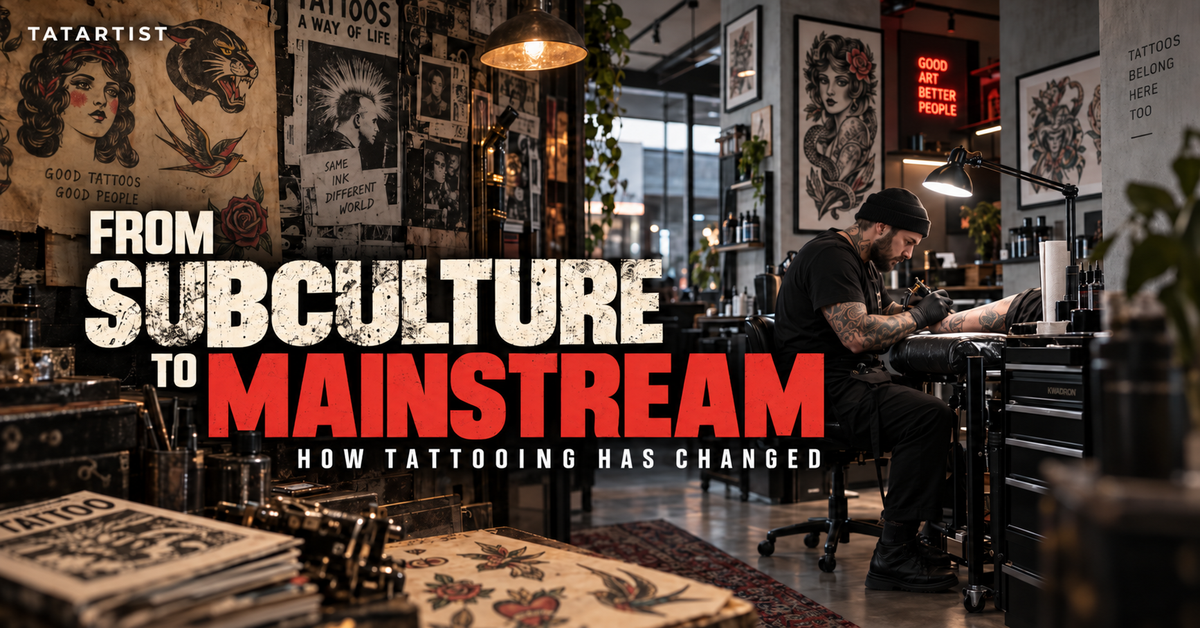
Twenty years ago, getting a tattoo often meant entering a world that felt separate from everyday life. Tattoos were closely connected with specific communities, music scenes, personal identities, and subcultures.
Today, tattoos are everywhere. A tattoo can represent a personal memory, a cultural connection, a style choice, a life milestone, or simply an appreciation for artwork.
But the biggest change is not only who gets tattooed. The bigger change is what being a tattoo artist requires.
Modern tattoo artists are not only creating designs. They are guiding clients through decisions, explaining what works on the body, managing expectations, creating a professional experience, and building trust before the tattoo session even begins.
The Tattoo Client Has Changed
As tattooing became more mainstream, the type of person sitting in the chair changed. Artists now work with experienced collectors, first-time clients, professionals looking for meaningful designs, and people traveling specifically because they connected with an artist’s style.
This wider audience creates more opportunities, but it also changes what clients need from artists. The tattoo artist is no longer only creating an image. The artist is translating ideas into artwork that works with the human body.
Social Media Changed How Artists Build Their Reputation
Before clients enter a studio, they may already know an artist through Instagram, TikTok, healed tattoo photos, studio content, and online reviews.
Social media allows artists to reach beyond their local area, but it also creates higher expectations. Clients arrive with more references and often need guidance about what will work on skin, how designs should adapt to the body, and why originality matters.
The artist’s role has expanded from creator to educator.
The Tattoo Experience Became Part of the Artwork
A great tattoo may bring someone into the studio, but the full experience determines whether they return.
Communication, studio organization, comfort during long sessions, privacy, and aftercare guidance all influence how clients remember the appointment.
Professionalism does not mean making tattooing feel corporate. It means creating an environment where the artist and client can focus on the work.
The Modern Tattoo Session Is a Full Workflow
Modern tattoo sessions often involve longer appointments, detailed designs, and different body placements. The challenge is not simply sitting for hours. It is maintaining precision while constantly adapting.
A forearm tattoo, back piece, or lower leg tattoo can all require different working angles. The artist’s body becomes part of the workflow.
A practical tattoo setup should help artists keep the tattoo area accessible, adjust positions when needed, keep tools within reach, support the client, and reduce unnecessary obstacles.
The right setup does not replace skill. It supports the skill.
Studio Setup Has Become Part of the Craft
As tattooing became more professional, the studio environment became more important.
Equipment does not replace artistic ability, but it can improve the workflow. Good lighting, organized tools, stable positioning, and suitable furniture allow artists to focus more attention on the artwork.
The best setup is often the one that disappears into the session.
Mainstream Does Not Have to Mean Generic
Tattooing becoming mainstream created new opportunities, but growth does not have to remove what made tattoo culture meaningful.
Originality, artistic identity, tattoo history, knowledge between artists, and community connections remain important.
The strongest artists are not always those who follow every trend. They are the ones who understand change while protecting their own creative direction.
What This Means for Tattoo Artists Today
The future of tattooing belongs to artists who can balance creativity with adaptability.
Building a recognizable style still matters. Technical skill still matters. But modern tattoo artists also need communication, thoughtful workflows, and a studio environment that supports the way they work.
Tattooing has changed from a private subculture into a widely recognized form of art and self-expression.
The artists who grow with the industry will not lose the roots of tattooing. They will carry those roots into the future.
Frequently Asked Questions
How has tattooing changed in recent years?
Tattooing has become accessible to a wider audience, and clients now expect both strong artwork and a professional experience.
Has social media changed the tattoo industry?
Yes. Social media has changed how artists build recognition, how clients choose artists, and how styles spread globally.
Do modern tattoo clients expect more from artists?
Many clients now expect clearer communication, better guidance, and a comfortable professional environment.
Has tattooing lost its subculture identity?
No. Tattooing has expanded while keeping its artistic traditions, history, and community connections.
Final Takeaway
Tattooing becoming mainstream did not make the craft less meaningful. It changed the way artists work.
Today’s tattoo artists create more than designs. They create experiences, guide clients, and build workflows that support creativity and consistency.
The future belongs to artists who adapt without losing the skill, identity, and respect that made tattoo culture meaningful.